
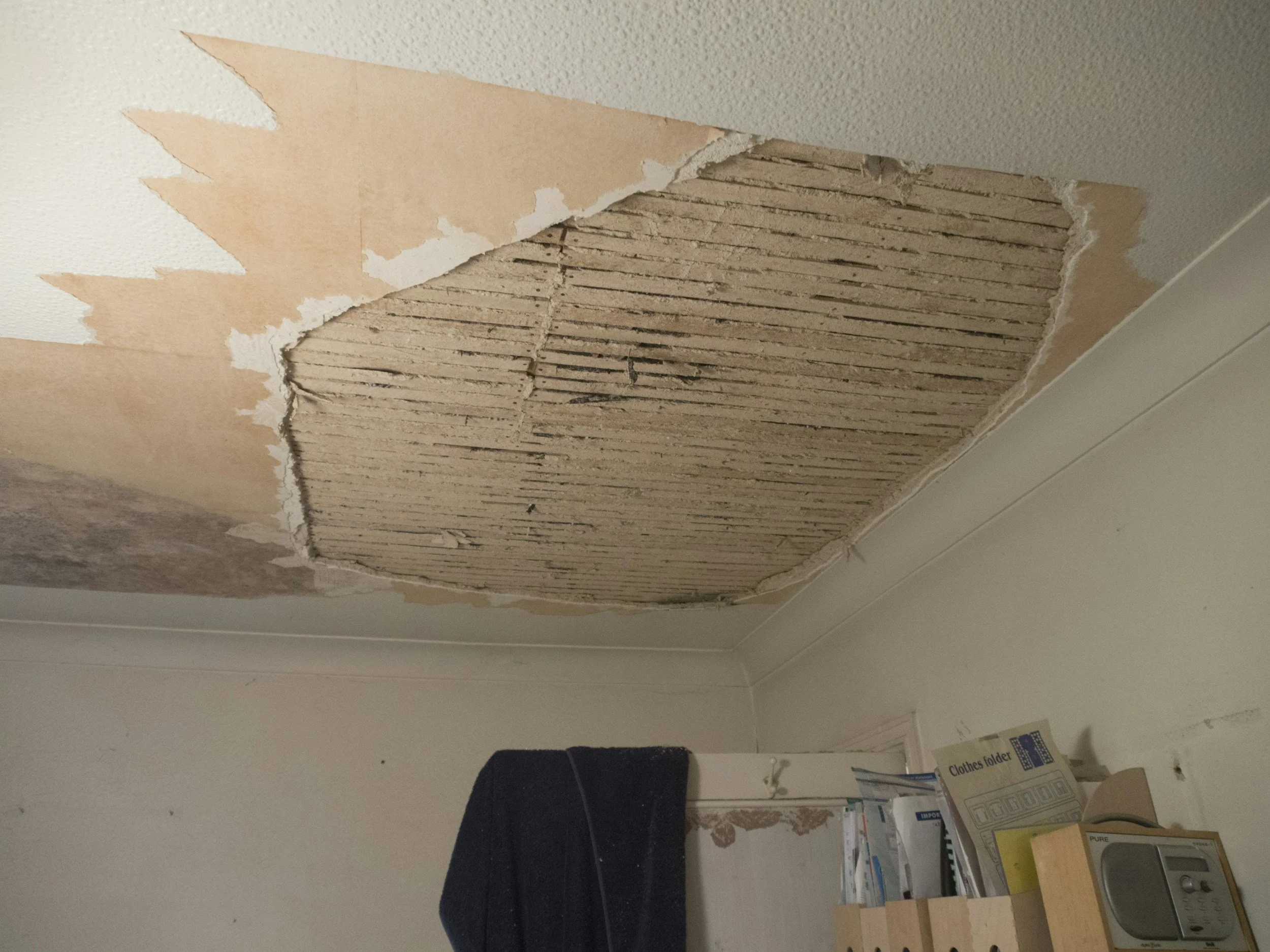
Nationally, water damage restoration usually runs between $1,270 and $5,376, with an average around $3,250. Where you land depends on what kind of water it was, how far it spread, and how long it sat. Insurance often covers damage that was sudden and accidental, like a burst pipe. Slow leaks and outside flooding, usually not.
Every water call starts with two questions: how bad is it, and who's paying? Let's take them one at a time.
What drives the price
The kind of water comes first. A clean supply line is the easiest case. Water from a washing machine or dishwasher needs more cleaning. Sewage or floodwater means removing materials and sanitizing, which costs more.
Then size. Nationally, restoration runs roughly $3.15 to $7.40 per square foot.
Then materials. Tile dries quickly. Carpet and pad, drywall, insulation and hardwood take longer, and some of it has to come out.
And time, which is the one you control. The EPA says to dry wet materials within 24 to 48 hours to prevent mold. Wait longer and a drying job can turn into a mold job, with a bigger bill.
Clean, gray or black: the three kinds of water
| Category | Where it comes from | What cleanup looks like |
|---|---|---|
| 1: Clean | Burst supply line, overflowing sink, ice dam melt | Extract, dry in place, save most materials |
| 2: Gray | Washing machine, dishwasher, toilet overflow without waste | Extract, clean and sanitize; some porous materials removed |
| 3: Black | Sewage backup, outside floodwater | Remove affected porous materials, sanitize, then dry |
One catch: clean water doesn't stay clean forever. Let it sit a few days and it can move up a category.
So what does a typical job cost?
A small leak that got caught fast sits at the low end of that $1,270 to $5,376 range. A pipe that ran for days in an empty second home, soaking three rooms and the ceiling below, sits at the top or past it.
Mammoth adds its own wrinkles. Some properties are a drive. Winter access can be tricky. And a lot of the damage up here has been sitting for a while before anyone finds it, because nobody was home. The honest answer is that nobody can give you a real number until someone takes moisture readings.
Will insurance pay?
Often, when it was sudden and accidental. The NAIC says homeowners policies cover damage from a "sudden and accidental" discharge from plumbing, and that policies generally expect you to keep a vacant home at a minimum temperature or shut the water off.
| Usually covered | Usually not |
|---|---|
| Burst or frozen pipe (if you took reasonable precautions) | A slow leak that built up over months |
| Sudden appliance or water heater failure | Damage from skipped maintenance |
| Interior damage from an ice dam leak | Outside flooding (needs flood insurance) |
| Accidental overflow | A pipe that froze in a house left unheated |
That's general information, not insurance advice. Read your own policy and talk to your agent.
Making the claim go smoother
Photograph and video everything before cleanup, including where the water came from. Hang on to damaged items (or photos of them) until the adjuster says they can go. Keep receipts for anything you spend stopping the damage: towels, fans, the plumber. Ask your restoration company for moisture readings and drying logs, which show the adjuster how far the water got and when things were truly dry. And report the claim quickly, since most policies expect you to act fast.
Other things people ask
Insurance or restoration company: who do I call first?
Stop the water, take photos, then call both right away. Your policy expects you to keep the damage from getting worse, which means drying should start without waiting on an adjuster.
Can I pick my own restoration company?
Usually, yes. Your insurer may suggest someone, but you can generally choose a local company you trust. Check your policy if you're not sure.
Is a vacant second home covered?
It can be. Vacancy clauses matter, though. Many policies require minimum heat or the water off when nobody's there. Read that section before winter.
How common is this, really?
Very. About one in 60 insured homes files a water or freezing claim each year, according to the Insurance Information Institute, as cited by Policygenius.
The short version: move fast and you stay toward the low end. If you've got water damage in Mammoth Lakes, call Mammoth King at (760) 924-3681, day or night.
Water Damage Restoration · Burst Pipe, What to Do · Mold After Water Damage
Sources: LawnStarter: Water damage restoration cost 2026 · NAIC: Burst pipe coverage · EPA: Mold information · Policygenius: Does homeowners insurance cover water damage?
